

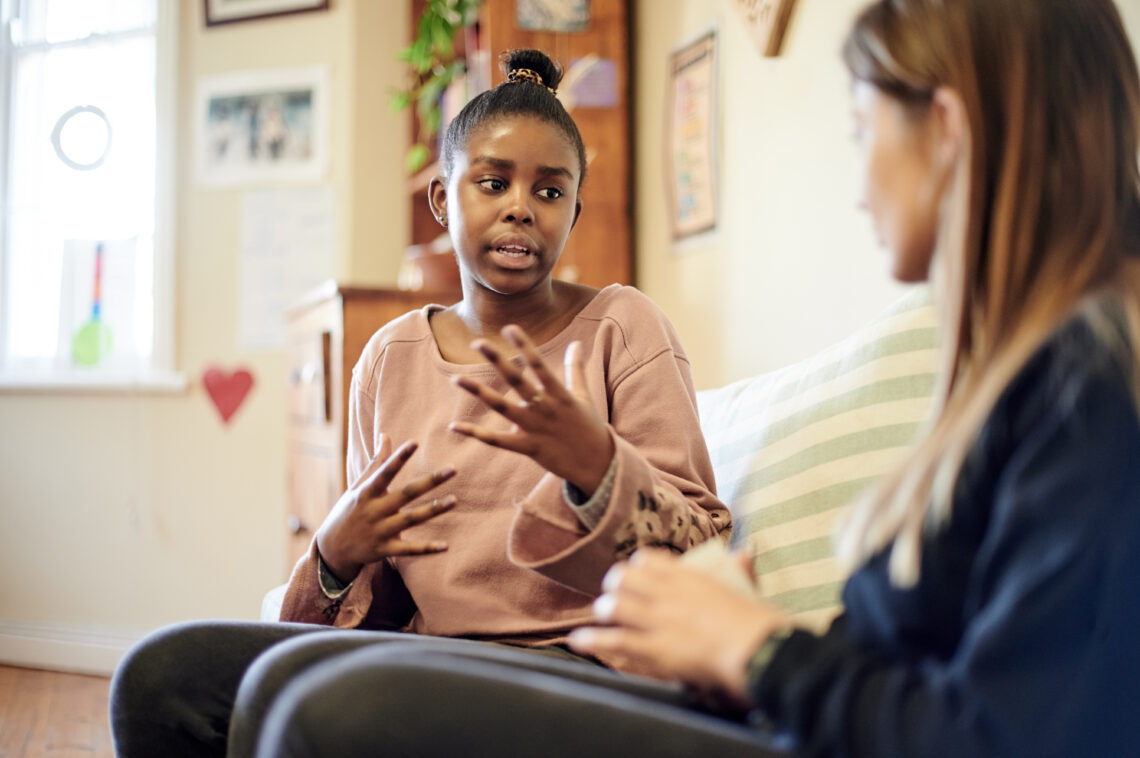
Talking about BPD with the people you care about can feel daunting. You might worry about being judged or misunderstood. You might fear that you will be seen differently or that your honesty will push people away. These fears are very common and very understandable. BPD can feel confusing enough from the inside, so trying to explain it to someone who has never experienced it can feel overwhelming.
The good news is that talking about your BPD can strengthen your relationships. When the people close to you understand what you are going through, they are more able to support you. They can also understand your reactions and emotions more clearly. Honest conversations can build trust and reduce misunderstandings.
This article offers practical guidance for talking about BPD with partners, friends and family. You can adapt these ideas to suit your own situation and comfort level. There is no right or wrong way to share your experience. You can take things slowly and protect your boundaries.
This article covers:
- Why talking about BPD can feel difficult
- How to prepare for the conversation
- What to say during the discussion
- How to help loved ones understand your emotions
- How to set boundaries and ask for support
- What to do when conversations do not go as planned
- Long-term communication habits that make relationships stronger
Speaking openly about BPD can bring up a mix of emotions. You might feel:
- Fear of rejection
- Shame or embarrassment
- Worry about being a burden
- Confusion about how to explain BPD or your symptoms
- Fear that people will overreact or minimise your experience
These feelings do not mean you should stay silent. They simply show how much you care about your relationships and how vulnerable you feel when sharing personal information.
How to prepare for the conversation
Preparing can help you feel calmer and more in control. You do not need a script, but a little planning makes the conversation smoother.
- Choose the right moment. Aim for a calm, private time when no one is stressed or rushing.
- Think about what you want them to know. This might include symptoms, triggers or how BPD affects your daily life.
- Decide how much you want to share. You do not need to tell your whole life story if you are not ready.
- Practise what you want to say. Writing a few notes or rehearsing can help you feel grounded.
- Know your purpose. Are you sharing to feel understood, to ask for support or to explain certain reactions?
Preparing helps you stay focused even if emotions show up during the conversation.
What to say during the discussion
You can keep things simple. You do not need clinical language. A gentle, straightforward explanation often works best.
You might say things like:
- “I have been diagnosed with BPD, and I want to tell you what that means for me.”
- “My emotions can shift quickly, and I feel things very strongly.”
- “Sometimes I react in ways that surprise even me.”
- “I want you to understand what I experience so we can support each other better.”
Keep the conversation honest but manageable. You can also share specific examples, such as difficulty with mood swings, fear of abandonment or impulsive reactions, if you feel comfortable.
How to help loved ones understand your emotions
Many people have heard of BPD but do not know what it is. A few simple explanations can help your loved ones understand your emotional world without overwhelming them.
You can explain that:
- Your emotions feel intense and fast-changing
- Small triggers can set off big feelings
- Feeling abandoned or rejected can happen even when you know the person cares
- You may struggle to calm down once your emotions rise
- Sometimes you need sp
- Your reactions are not personal or deliberate
It can help to mention that BPD comes from a mix of biological sensitivity and life experiences, not from being difficult or dramatic.
Some example things you could say:
- “My emotions can feel really intense and change quickly, even when I don’t want them to.”
- “Small things can set off big feelings for me, even if I know they shouldn’t.”
- “I can sometimes feel abandoned or rejected, even when I know you care about me.”
- “Once my emotions rise, it’s hard for me to calm down straight away.”
- “Sometimes I need space to settle, and other times I need reassurance. I’ll try to tell you which one I need.”
- “If I react strongly, it’s not personal or deliberate. It’s an emotional reflex I’m working on.”
You can also offer resources like articles, videos or mental health websites if they want to learn more later.
How to set boundaries and ask for support
Once your loved ones know about your BPD, you can let them know what helps and what does not. This avoids misunderstandings and reduces tension.
Some examples include:
- “If I get overwhelmed, please give me a bit of space before we talk.”
- “If I panic about something, remind me we can talk it through calmly.”
- “If I react strongly, please do not shout or walk away suddenly.”
- “If I ask for reassurance, I am not trying to be clingy. I am trying to stay grounded.”
Your boundaries are not demands. They are ways to help both of you communicate more safely and calmly.
What to do when conversations do not go as planned
Even with preparation, not every conversation will feel perfect. People might react in ways you did not expect. They might feel worried, confused or need time to process what you told them.
If the conversation becomes stressful:
- Take a break if emotions rise
- Remind yourself that their reaction is not a rejection
- Offer to continue the conversation another time
- Write your thoughts in a message if talking feels too hard
Here’s a few things you could say:
- “I think I need a short break so we can both calm down.”
- “I know this might feel like a lot. Your reaction isn’t a rejection of me.”
- “Can we pause and talk about this another time when we’re both in a clearer headspace?”
- “Talking is hard right now, so I might send you a message later to explain what I mean.”
If someone responds with disbelief or stigma, remember that this reflects their understanding, not your worth. You can choose to revisit the topic later or focus your energy on people who support you.
You could say to them:
- “I understand this might be new to you. Your reaction shows where your understanding is right now, not my worth.”
- “It’s OK if you need time to take this in. We can talk again when you’re ready.”
- “I’m choosing to focus on people who support me, and we can come back to this when it feels healthier for both of us.”
Long-term communication habits that make relationships stronger
Talking about BPD is not a one-time event. Ongoing communication keeps relationships healthy and makes it easier to navigate emotional moments together.
These habits can help:
- Check in regularly. Short chats about how you are feeling prevent things from building up.
- Share small wins. Let them know when you are using coping skills or feeling more stable.
- Be honest about triggers. Let loved ones know what situations or comments can set off strong emotions.
- Pause during conflict. Taking a break helps prevent conversations from becoming overwhelming.
- Review boundaries. Needs can change over time, and it is okay to adjust them.
Long-term communication is about understanding each other better, not about being perfect.
Summary: Talking to your loved ones about BPD
Talking to loved ones about BPD can feel scary, but it can also bring more understanding and support into your relationships. Preparing ahead of time, explaining your symptoms simply, setting clear boundaries and being honest about your needs can make the conversation easier. Not every talk will go smoothly, but with patience and ongoing communication, these discussions can strengthen your relationships in meaningful ways. can take these conversations at your own pace and share only what feels safe and comfortable.
Share this post: